


There’s a particular kind of embarrassment that comes from realising the advice you’ve been giving people, confidently, for years, was wrong. Not maliciously wrong. Not even obviously wrong. Just wrong in the way that well-intentioned, under-examined things often are.
I’ve been travelling long enough to have handed out a lot of advice. Some of it holds. Some of it I’d gladly and quietly like back.
These are the ones I’d like back.
“Book as early as possible.”
I said this for years. It felt responsible. It felt like the kind of thing a person who takes travel seriously would say. Plan ahead. Lock it in. Don’t leave things to chance.
The problem is that the data, real data, not travel folklore, says something different.
Expedia’s 2026 Air Hacks Report, built on millions of actual fare transactions, found that the cheapest window for domestic flights is 15 to 30 days before departure. Booking more than six months ahead costs an average of $130 more. For international routes, 31 to 45 days out saves roughly $190 compared to buying early. Google Flights puts the domestic sweet spot at 43 days before departure.
And the famous Tuesday booking tip, the one that’s been circulating travel forums since the early 2010s? Google’s own analysis found it saves approximately 1.9%. Which is to say: almost nothing.
The airline pricing algorithm is not rewarding your discipline. It’s not rewarding your spontaneity either. It’s an AI-powered system adjusting fares thousands of times a day based on demand signals, and the best thing you can do is stop trying to outsmart it by following rules that were outdated before most people started repeating them.
Book in the right window for your route type. Set a price alert. Stop booking six months out and feeling virtuous about it.
I’m sorry I told you otherwise.

“The more countries you’ve visited, the more you understand the world.”
I’m not sure I ever said this in quite those words. But I implied it. The whole architecture of how I used to talk about travel implied it, the mentions of countries, the references to how many times I’d crossed certain borders, the implicit suggestion that volume of movement equates to depth of understanding.
It doesn’t.
A Nature Neuroscience study tracking travellers found that what actually drives happiness and cognitive reward from travel is genuine novelty - new environments that the brain hasn’t categorised yet. The hippocampus and striatum, the brain’s novelty and reward centres, respond to real difference. Not the fact that a new country has been added to a list.
You can visit 70 countries inside the exact same psychological comfort zone. The same hotel format. The same kind of restaurant. The same Instagram composition from the same famous viewpoint. The same conversation with other travellers about how many countries they’ve visited. You haven’t gone anywhere genuinely new. You’ve moved the coordinates while keeping everything else the same.
I’ve met people who have been to five countries and carry those five places as living, breathing parts of themselves. I’ve met people who’ve been to 80 and can’t tell you a single thing that surprised them. The number was never the point.
It took me longer than I’d like to admit to stop treating it like it was.
“Go on, have a drink. You’re on holiday.”
This one is harder to admit because I didn’t just say it to other people. I said it to myself, on hundreds of flights, and called it self-care.
The logic felt sound: you’ve survived the security line, the gate change, the middle seat. You deserve a drink. It’s part of the ritual. It’s part of the experience.
What I know now, and what I documented in my own body over two years of tracking sleep quality, arrival state, and cognitive performance, is that alcohol at altitude is one of the most effective ways to guarantee you land broken. Cabin pressure drops blood oxygen levels. Alcohol at altitude is more dehydrating and more disruptive to sleep architecture than the same drink on the ground. The “treat” costs you the first day of wherever you’re going.
I stopped drinking on flights. I sleep better, land better, and arrive somewhere resembling the person I actually wanted to bring on the trip.
The harder thing to admit is how long I kept telling other people to indulge while I’d already quietly stopped. That’s the version of this retraction I’m least proud of.
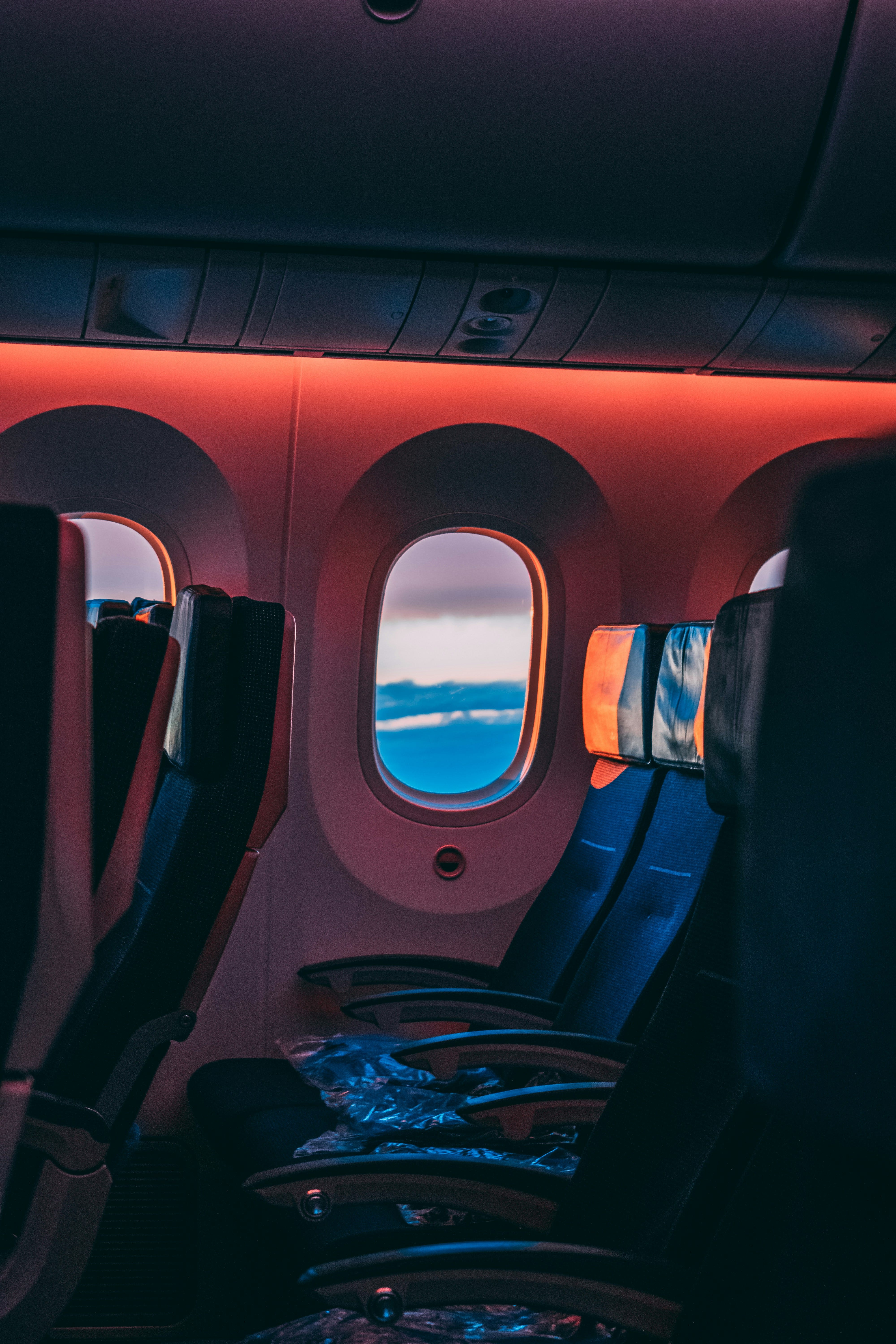
“Always stay in the centre. The convenience is worth it.”
The logic was simple: stay central, walk everywhere, waste no time. I gave this advice constantly. It felt like the efficient, experienced thing to say.
Here’s what I’ve slowly understood.
The centre of most major cities is no longer primarily a place where people live. It’s a place designed for people passing through. The restaurants are priced for visitors. The streets are optimised for throughput. The noise level assumes you’re awake at 2am anyway. The whole environment is calibrated for the tourist experience - which means it is, almost by definition, not the actual experience of the place.
The neighbourhood twenty minutes out by metro is where the city lives. Its rhythms, its regulars, its ordinary Tuesday. The coffee shop where nobody looks up when you walk in because you’re not a novelty. The market that exists because locals need it, not because visitors want to photograph it. The sounds at 7am that have nothing to do with other tourists getting an early start.
I’ve slept better in quieter neighbourhoods. I’ve eaten better. I’ve accidentally understood places better. And I’ve spent meaningfully less money, which meant I could stay longer, which is the one piece of advice I still stand behind completely.
The centre is efficient. The neighbourhood is real. I should have been recommending the neighbourhood years earlier.
“Travel will help. Get yourself on a plane.”
This is the one I’m most careful about now.
There’s an idea embedded deep in travel culture, and in the way I’ve written about travel, that movement is restorative. That the right destination can reset you. That if something is wrong, a plane ticket is at least part of the answer.
I believed this. I still believe parts of it. But I believed it too completely, and I said it too easily, and I want to be more honest about what the research and my own experience actually show.
Studies consistently find that the post-vacation mood boost fades within two weeks of returning home - often returning to pre-trip baseline, sometimes briefly dipping below it. What does have lasting psychological impact is the anticipation of a trip, research has found up to eight additional weeks of elevated mood simply from having something booked and upcoming. And what determines whether a trip genuinely helps is not the destination but what you do with the internal space it creates: whether you actually detach from the source of the stress, whether you let yourself be somewhere instead of just being elsewhere.
The nervous system you pack is the nervous system you’ll unpack at the other end. The thing you’re running from generally travels well and doesn’t even need its own seat.
What travel can do, when approached with intention rather than desperation, is create enough distance from your ordinary context that you can see it from a different angle. That’s genuinely valuable. But I used to sell it as a cure. It isn’t a cure. It’s a lens. And sometimes a lens is enough, but it’s worth knowing which one you actually need before you book the flight.
“Make a proper itinerary. Know where you’re going each day.”
I used to plan obsessively. I was proud of it. I had spreadsheets. I had backup restaurants for the primary restaurants. I had the opening hours of things memorised before I arrived. I told people that preparation was respect - for the place, for your own time, for the investment of the trip.
Some of that is still true. Having no structure is its own kind of problem - there’s a real difference between genuine openness and just being adrift and calling it spontaneity.
But the honest version of my itinerary advice, looking back, is that I was building a schedule that left almost no room for the trip to surprise me. And the things I remember most, the places and moments that have actually stayed, were almost never in the spreadsheet.
The restaurant I found because I was lost and hungry and the planned one was closed. The afternoon I spent in a city square doing nothing because the museum turned out to be shut on Mondays. The conversation that started because my train was delayed by two hours and I had nothing to do but talk to the person next to me.
An itinerary protects you from boredom. But boredom is often the precondition for the best accidents of travel. A schedule that’s too tight doesn’t leave room for the thing you didn’t know you were going to find.
I still plan. But I plan lighter than I used to. And I always leave one afternoon per trip completely empty - nothing booked, nothing researched, no idea what I’ll do. That afternoon is, more often than not, the one I end up writing about.
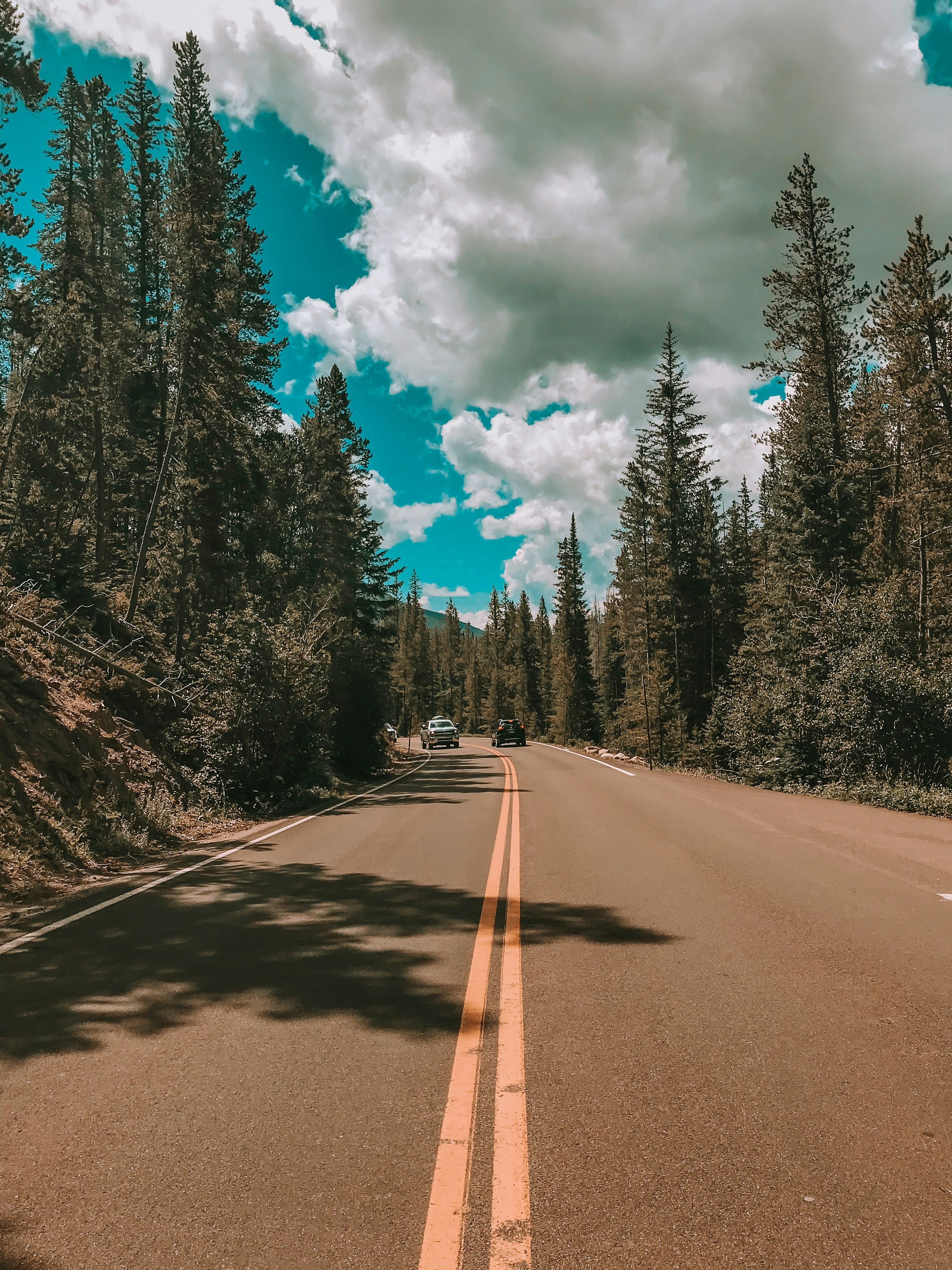
The common thread in all of these, I think, is that I was optimising for the wrong things - for cost savings that weren’t real, for volume of countries instead of depth of experience, for productivity even inside the thing that was supposed to be the opposite of productivity.
Travel has taught me more about myself than anywhere else. Including, apparently, how confidently I can be wrong.
Which ones did you used to believe? And what changed your mind?
Thank you for being here 🤍
Other articles you might enjoy:
20 Travel Opinions I’ve Been Afraid to Say Out Loud
The Lost Art of Being a Good Traveler
Why I Keep Going Back to the Same Places - And Why You Should Too
i used to walk new cities with the map open, rarely lost and rarely surprised.
getting lost on purpose works a lot like meditation: it keeps us present in the moment.
put the phone away in an unknown part of town, and the brain wakes up at every new corner ... follow a screen, and it barely reacts to the streets.
people asked to walk somewhere new each week, phone off, looking with fresh eyes, ended up feeling more joy and less fear.
lost, we can’t plan the next step, so the mind has nowhere to be but here ...
in meditation the breath is the anchor. on a walk, the next corner is.
we pay for apps and retreats to feel present. an unknown street, with the phone in a pocket, can do something similar for free.
it doesn’t even need a flight. a neighborhood in your own city you’ve never walked can do the same.
maybe your empty afternoons work because, for once, there is nothing to plan and the mind finally has nowhere else to be?
What a great honest take on travel. Thank you!