


I’ve been sitting on most of these for a while.
Not because I thought they were wrong, but because saying them out loud felt risky, like I’d be the person at the dinner table who kills the mood. Travel is supposed to be joyful and I genuinely believe that it is. I love it. It has shaped most of what I know about the world and most of what I know about myself.
But after years of moving through airports and hotel rooms and cities I can’t always pronounce correctly, I’ve accumulated some opinions that don’t quite fit the usual travel writing template. They’ve been rattling around, waiting for the right moment.
This is the right moment. Take them for what they are: one person’s honest observations, not gospel. I’ve been wrong before and I’ll be wrong again. But these feel true to me - and I’d rather say them imperfectly than keep them to myself for another year.
🏨Hotels & Spaces
Most “wellness amenities” in luxury hotels are theater.
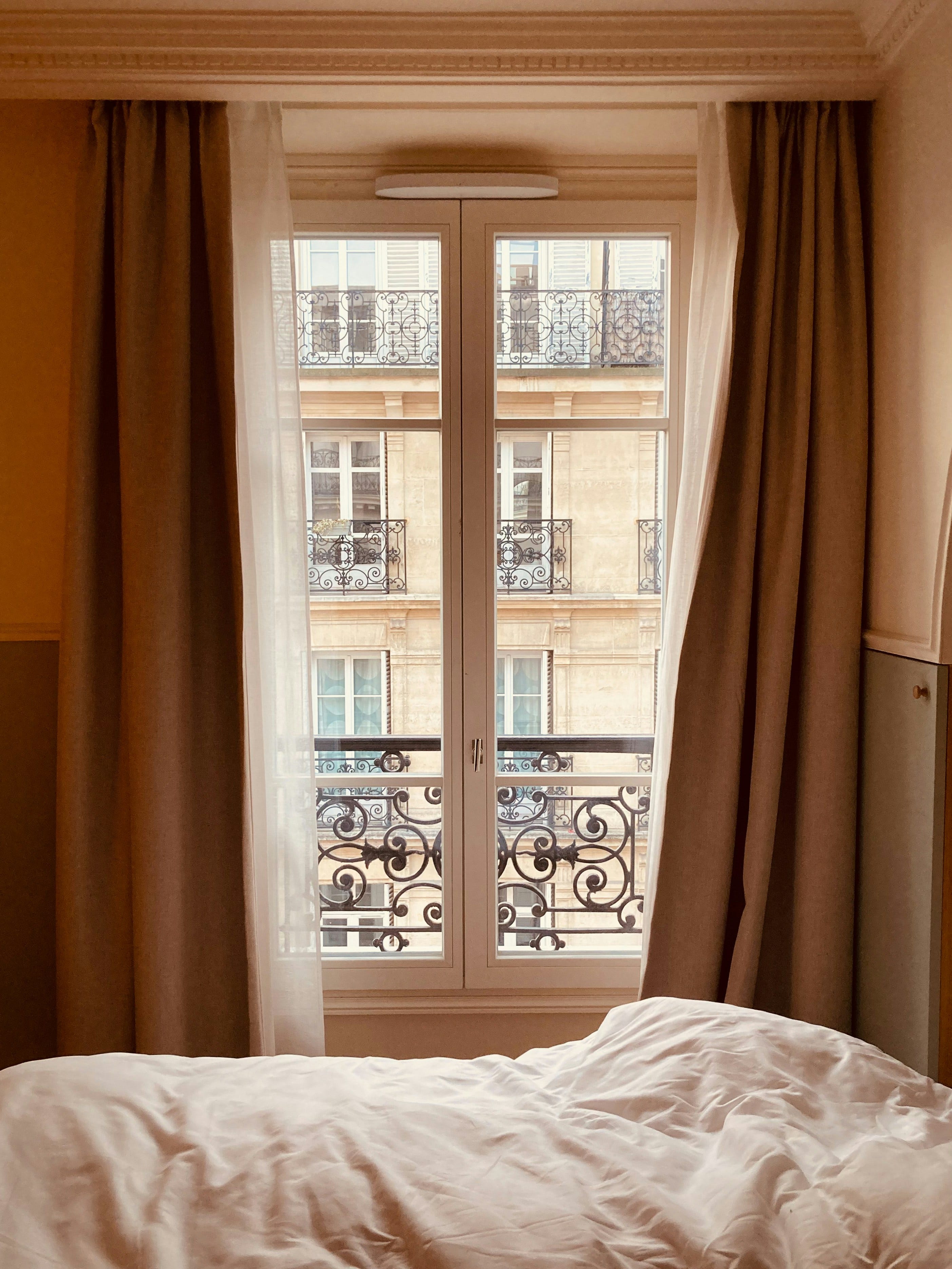
You’ve seen the menu: jade rollers, sound baths on request, a small bottle of lavender pillow spray left on a $500-a-night bed. It’s all performance. The things that actually affect how you sleep and recover - air quality, blackout capability, acoustic insulation, mattress firmness - are almost never mentioned in any hotel marketing material. And yet these are the variables that determine whether you wake up restored or wrecked. A hotel that puts a jade roller in the minibar and installs thin curtains that let the city bleed through at 5am hasn’t thought about your wellness. It’s thought about its Instagram aesthetics.
The best hotel I ever stayed in didn’t have a spa. It had silence.
I’ve stayed in properties that cost four figures a night and felt agitated from the moment I walked in - music too loud, lobby too bright, staff trained to be performative rather than present. And I’ve stayed in places with no pool, no treatment rooms, no curated amenity kit, where I slept ten hours and woke up feeling like a person again. The difference wasn’t the facilities. It was the intentionality of the space - the understanding that a guest’s nervous system is the thing you’re actually hosting. Very few hotels understand this. The ones that do are unforgettable.
The lobby tells you everything within 10 seconds.
I don’t need to see the room. I don’t need to read the reviews, though I do. The lobby - its light, its noise level, the posture of the staff, whether someone makes eye contact when you walk through the door - tells me exactly what kind of hotel this is going to be. If it’s designed to impress on arrival and disappear from memory ten minutes later, the stay will follow the same arc. The first ten seconds are never an accident. They’re a policy.
✈️ Flying & Transit
Alcohol on flights is the most normalized form of self-sabotage in travel culture.
You wouldn’t pour a glass of wine at 7am at home and call it self-care. But hand someone a boarding pass and suddenly it’s a ritual, a treat, a reward for surviving security. At altitude, alcohol is significantly more dehydrating, significantly more disruptive to sleep architecture, and significantly more likely to wreck whatever recovery window you had in transit. I stopped drinking on flights years ago. I sleep better, land better, and arrive somewhere resembling the person I actually want to be. The cognitive cost of in-flight drinking is real. We’ve just agreed not to talk about it.
Airport lounges have gotten worse as they’ve gotten more crowded.
Priority Pass democratized lounge access, and in doing so destroyed the thing that made lounges worth accessing. The original promise - quiet, decent food, a real drink, a place to think - has been replaced by overcrowded rooms that smell like carpet and reheated eggs, full of people treating them as a free all-you-can-eat before a budget flight. I don’t say this as a snob. I say it as someone who used to find genuine value in lounge access and now walks past many of them. A quiet corner of the terminal with a good coffee is often the better option.
Business class on a 3-hour flight is almost never worth it. Economy on a 12-hour flight is almost never worth it either.
This sounds like a contradiction, but it isn’t. Both are category errors. Spending serious money on extra legroom for a flight where you’ll be asleep before the seatbelt sign goes off is irrational. But tolerating a middle seat in economy for a 12-hour overnight flight because you didn’t want to spend the money is also irrational - you will arrive broken, and the cost of that will show up in the first three days of your trip. The math only works when you match the investment to the actual biological stakes of the journey.
The people who complain most about jet lag are usually the people doing the least about it.
Jet lag is a circadian disruption. It has well-documented biological mechanisms and well-documented interventions - light exposure timing, melatonin protocols, strategic fasting windows, hydration management, temperature regulation. None of them are complicated. Most people don’t use any of them. Instead they drink coffee at the wrong times, eat whatever’s in front of them, and then announce they’re “terrible with time zones” as if it’s a personality trait rather than a protocol gap.
Chugging water on a flight doesn’t hydrate you. Mineral balance does.
The inflight hydration advice most people follow - drink more water, avoid caffeine, avoid alcohol - is correct in direction but wrong in mechanism. Plain water without electrolytes doesn’t restore cellular hydration; at volume, it dilutes it. The real fix is mineral balance: sodium, potassium, magnesium, taken correctly before and during a long haul. The travel wellness industry has been selling the simple version because it’s easier to market. The effective version takes about thirty more seconds to understand.
🌍 Destinations & Overtourism
Going somewhere because it’s trending isn’t travel curiosity. It’s FOMO with a boarding pass.
Every year there’s a new destination. The algorithm surfaces it. The travel supplements write it up. Your group chat starts mentioning it. And suddenly people who had never thought about this place six months ago are booking flights because they don’t want to be the person who hasn’t been. That’s not curiosity. Curiosity is slower and more specific than that. It has a reason behind it that predates a viral post. I’m not saying trending destinations are bad places. I’m saying trending is a terrible reason to go somewhere.
Visiting a country for a week doesn’t mean you understand it. It means you have photographs and strong opinions about the airport.
I’ve done it. You’ve probably done it. You spend five days somewhere, stay inside the tourist infrastructure, eat within a ten-minute radius of the hotel, and come home with a firmly held sense of what the place is “really like.” You don’t know. I don’t know either - not after a week, not even after two. Understanding a place takes long enough to notice what changes in it: the light in different seasons, the mood on an ordinary Tuesday, the things that locals don’t bother to explain because they’ve forgotten they’re unusual. A week is a beautiful, valuable beginning. It is not the full picture.
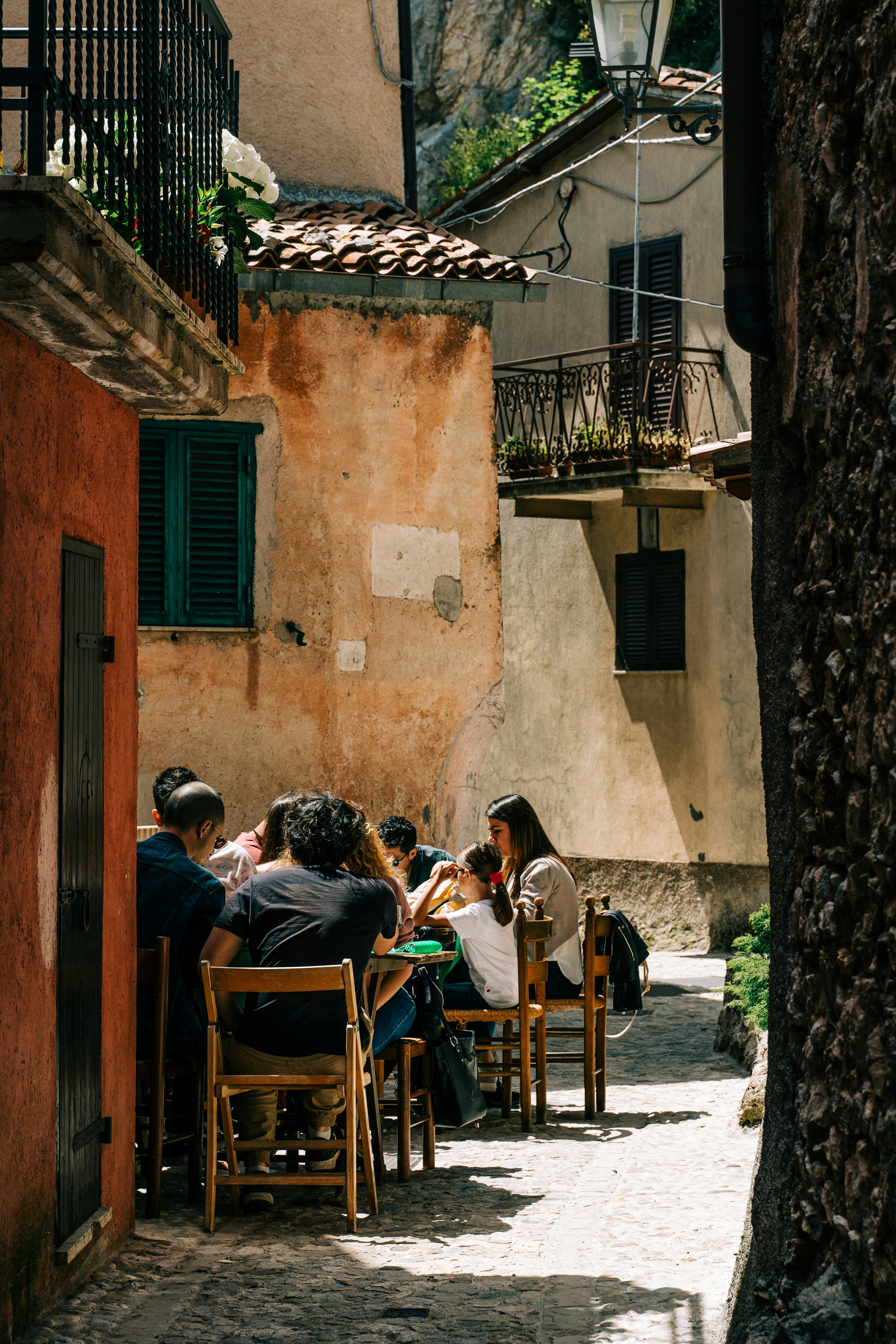
The “authentic experience” is mostly a myth people tell themselves to feel superior to other tourists.
I’ve watched travelers argue heatedly about which restaurant is “more authentic” while sitting at tables specifically constructed for foreign visitors. I’ve seen people photograph poverty and call it culture. I’ve read essays about “getting off the beaten track” written by people who found the track through a travel blogger’s paid partnership post. The obsession with authenticity is mostly a status game dressed up as sensitivity. You’re a visitor. The most honest thing you can do with that fact is acknowledge it - rather than spend your whole trip trying to transcend it.
💻 Nomadic Life & The Lifestyle Myth
The digital nomad aesthetic and the digital nomad reality are almost entirely different things.
One is the life that gets photographed: poolside laptops, golden hour on a rooftop, the suggestion of total freedom. The other is what actually happens: unreliable Wi-Fi, time zone arithmetic that eats your mornings, loneliness that compounds with every new city, and the slowly dawning realization that your anxiety traveled with you and didn’t even have to pay for a seat. The content machine needs the first version. Honesty requires the second. I’m not saying the nomadic life isn’t worth it - I’ve lived it and I’d live it again. I am saying the gap between the marketed version and the real one is enormous, and the people selling the dream rarely talk about what it actually costs.
Routine is not the enemy of adventure. It’s the architecture that makes adventure sustainable.
We’ve absorbed the idea that structure is the opposite of freedom - that to be truly nomadic, truly alive, you should be spontaneous and untethered. But the people I know who have been traveling long-term for years, healthily and productively, all have anchors: consistent sleep windows, non-negotiable movement practices, rituals that travel with them from city to city. Freedom without structure isn’t liberation. It’s drift. And drift, after long enough, starts to feel indistinguishable from being lost.
Most bucket lists are just anxiety with a passport.
A bucket list tells you what you’re afraid of missing. That’s a useful piece of self-knowledge, but it’s a strange organizing principle for a life. The problem with the list is that it turns places into items to check off - which means you’re always half-thinking about the next one while you’re still standing in the current one. I’ve met people who have been to 80 countries and experienced almost none of them. I’ve met people who have been to five and carry those five places like living things. The number is not the point. It was never the point.
Posting your trip in real time is not travel. It’s content production with a view.
The moment you’re composing the caption while the thing is still happening in front of you, you’ve left the experience. I’m not anti-documentation - I photograph constantly, writing about places is my biggest hobby. But there’s a difference between capturing something so you can return to it later and performing your presence for an audience while you’re still supposedly inside it. Real travel has long stretches where the phone stays in your pocket. If yours doesn’t, it’s worth asking yourself honestly what you came for.
🧠 Wellness, Performance & Being a Good Traveler
The greatest luxury in travel isn’t the suite upgrade. It’s nothing scheduled until noon.
I’ve had remarkable room upgrades. A suite with a private terrace over a canal. A corner room with floor-to-ceiling views over a city I loved. None of it touched the particular luxury of waking up somewhere unfamiliar with nowhere to be until the afternoon - no transfer, no tour, no itinerary item, no alarm set. Time is the scarcest resource in any trip. Protecting some of it for complete, unstructured wandering is the highest-grade upgrade I know, and it costs nothing except the willingness to leave things unplanned.
Sleep quality should be a non-negotiable travel decision criterion. Almost nobody treats it that way.
People will spend four hours researching which restaurant to book for Saturday night. They’ll spend forty-five minutes choosing a day trip. And then they’ll book the accommodation that looked fine in the photos, with no information about mattress type, blackout quality, noise environment, or room orientation. Sleep is where your body processes the trip. It’s where the nervous system files everything that happened during the day. A bad sleep environment over five nights is a bad trip - regardless of what you do during the daylight hours.
Learning 10 words in the local language is worth more than every cultural sensitivity workshop ever written.
Not because it makes you fluent. Not because it erases the power differential of being a wealthy foreign visitor in a less wealthy country. But because the attempt changes the interaction. It signals something - that you noticed you were somewhere, that you thought it was worth preparing for, that you understand this is their place and not yours. Please. Thank you. Hello. Excuse me. Where is. How much. This is delicious. The willingness to be imperfect in someone else’s language is the most human travel gesture I know, and it costs nothing except a little time before the flight.
The people who say they travel to “get out of their comfort zone” are usually the least comfortable people to travel with.
They treat every inconvenience as a lesson they’re owed. They frame discomfort as a moral achievement and narrate their own growth in real time. In my experience, the most rewarding travel companions are people who are genuinely at ease - with uncertainty, with waiting, with things not going to plan - not because they’ve constructed a story about discomfort, but because they’ve quietly stopped needing control. Getting out of your comfort zone is a side effect of good travel. It’s a terrible goal.
🐘 Animals & Ethical Travel
If the animal is aware that you’re there, you have no business being there.
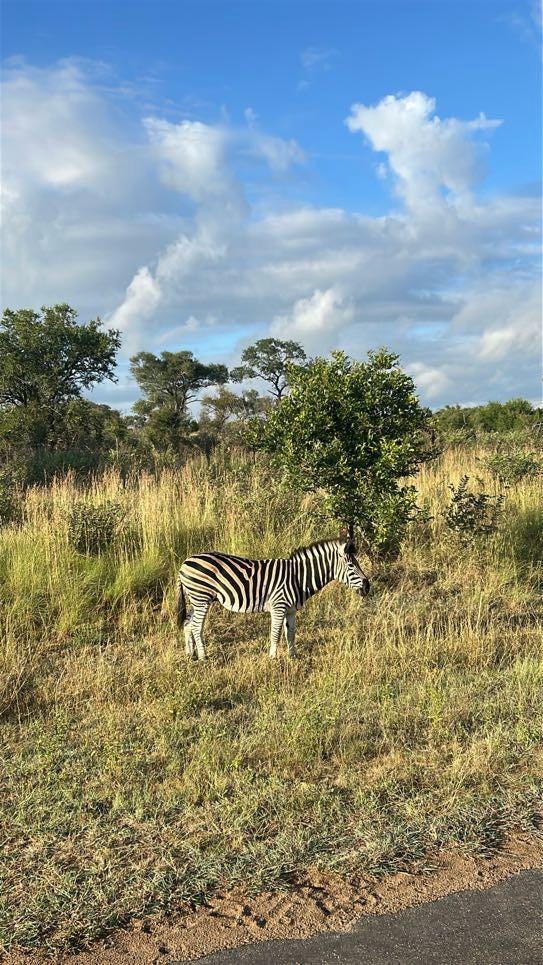
This is my rule. It’s blunt, and I mean every word of it. Zoos are not conservation - they are captivity with a gift shop and a mission statement. Elephant rides are not cultural experiences - they require a breaking process so psychologically violent it has its own name. Swim-with-dolphins packages, performing animals, wildlife selfie operations, sanctuaries where you can hold a sedated big cat for $40: these are cruelty repackaged as wonder, and the animal’s distress is the product being sold. The wildlife encounters I’ve found most affecting in my life - animals in their actual habitats, behaving as themselves, indifferent to my presence - required patience, distance, and the willingness to be completely irrelevant to what I was watching. That’s the only version of animal tourism I can defend. If the animal knows you’re there, leave.
These are the opinions I’ve arrived at slowly, through places and mistakes and years of paying attention. Some of them I still argue with myself about. The ones I no longer argue with are the ones I’m most sure of.
Which ones do you agree with? Which ones are wrong? I mean that genuinely - tell me in the comments.
Thank you for being here 🤍
Other articles you might enjoy:
The Lost Art of Being a Good Traveler.
Fancy Is Easy. Soul Is Rare. And Most Luxury Hotels Have Forgotten the Difference.
I agree with so much of this, and I found myself arguing with you in my head about a few of them, which is probably the sign of a really good piece.
The thread running through almost all of these for me is the difference between traveling because you’re genuinely curious and traveling because you’re performing some idea of what a traveler is supposed to be. The “authentic traveler,” the digital nomad, the bucket-list collector, the wellness traveler, the person proving how far outside their comfort zone they’ve gone. At some point, the performance can become the trip.
Where I differ slightly is on structure. I’m an unapologetic planner. I don’t particularly want nothing scheduled until noon, and I definitely haven’t “quietly stopped needing control.” But I’ve learned that planning and openness aren’t opposites. For me, the plan is what gives me enough freedom to take the detour when something better appears.
And I will enthusiastically join you on the hotel amenity hill. Give me blackout curtains, good soundproofing, usable outlets and a genuinely functional gym. You can keep the jade roller. 😊
I pretty much never have anything scheduled before noon when travelling. My favourite mornings are when I wake up naturally, have a coffee, and just go for a stroll or putz around.